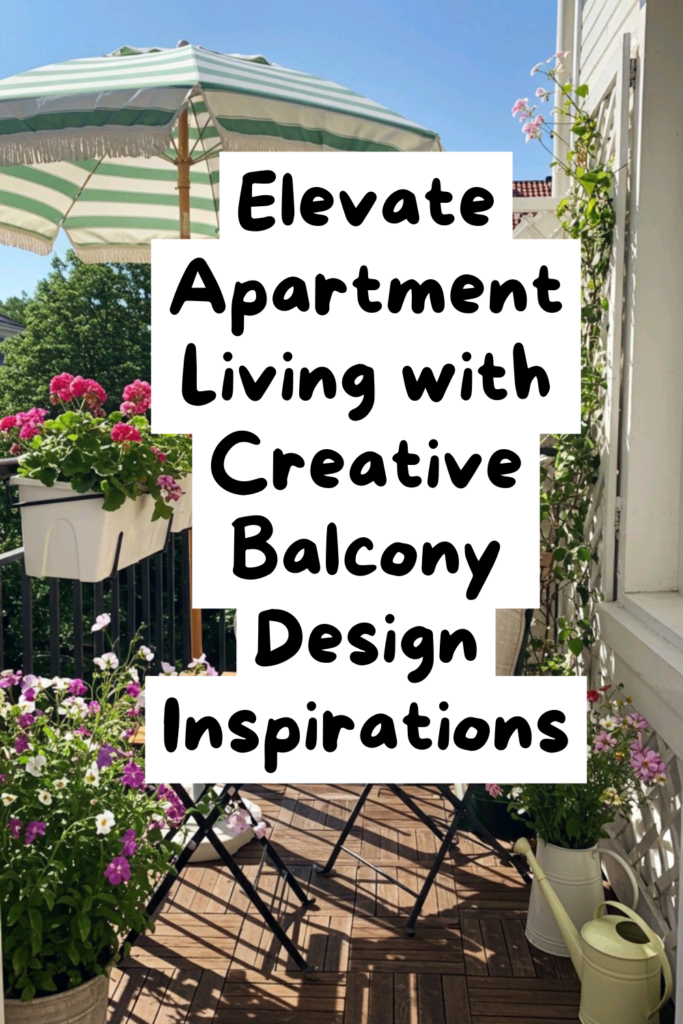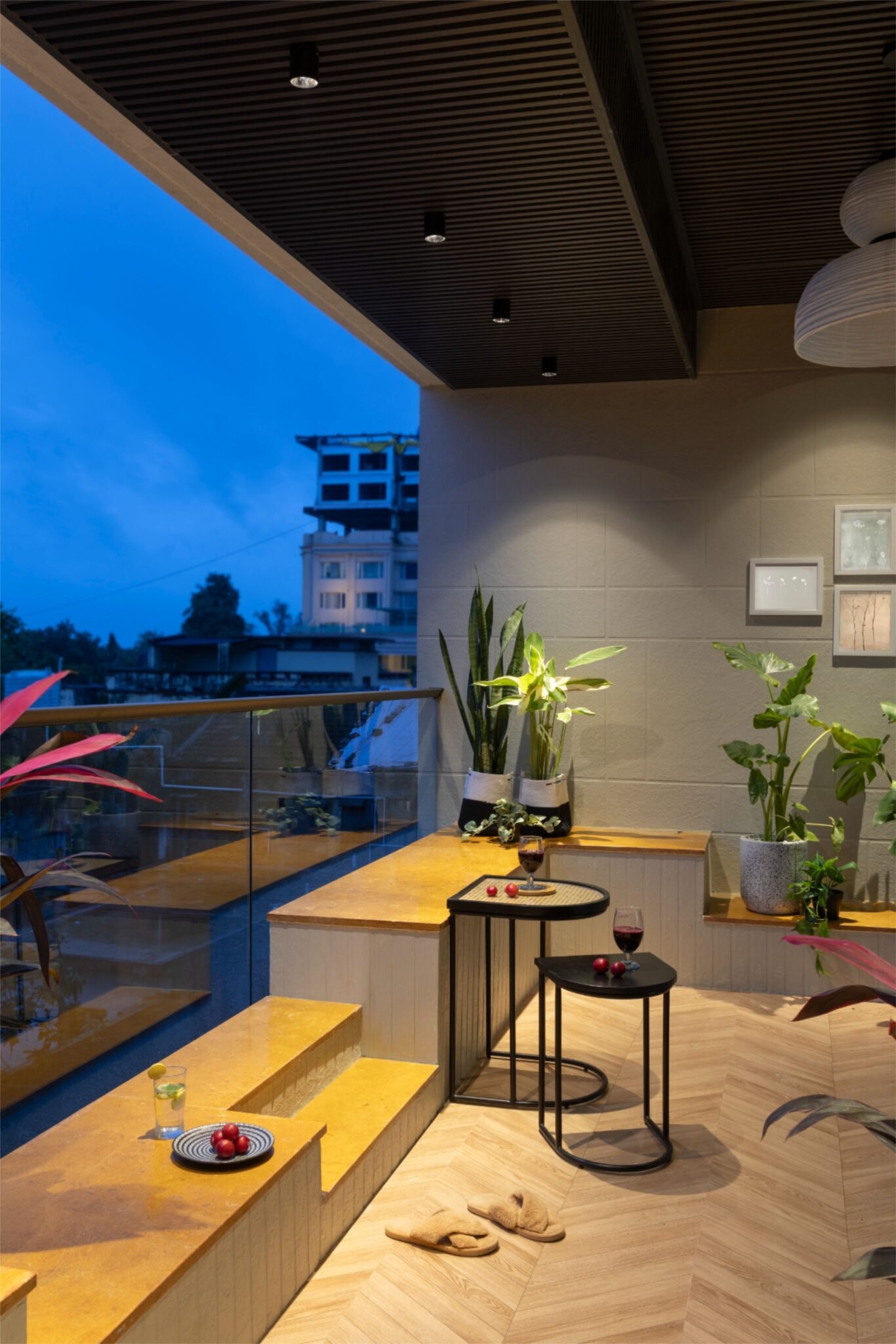
How to Design a Beautiful Balcony When You Live in an Apartment
Disclosure : This post may contain affiliate links or paid partnerships. I may earn compensation if you click a link or make a purchase, at no additional cost to you. See my disclosure for more info.
You already know how this goes.
Slide the door. Step out. Survey the damage.
Concrete. A plastic chair bleached by the sun. The remains of a plant you once had high hopes for.
You spend maybe ten seconds out there.
Then it’s back inside. Door closed. Balcony erased from your mind until further notice.
Sound about right?
Of course.
You’ve scrolled past those magazine-worthy balconies a hundred times. The string lights glowing softly. The cushions arranged just so. The little garden bursting with life.
And the same thought lands every time:
“Nice for people with space. My balcony is basically a shelf.”
That thought? It’s dead wrong.
A tiny balcony is not a limitation. Not a drawback. Not a design death sentence.
It’s an untapped asset sitting right outside your living room.
The issue was never the space itself. The issue is that nobody ever laid out a practical, no-nonsense game plan for transforming it.
Well. Here’s your game plan.
By the last line, you’ll understand exactly how to turn that overlooked concrete patch into the spot you look forward to visiting every morning and every evening.
Clear steps. Real advice. Nothing fake.
Let’s do this.
Before We Start — The Mistake That Ruins Everything
Hold on.
Before we get to the fun part, I need to pull you away from the cliff most people jump off.
They find a stunning balcony photo online. They try to copy it piece by piece.
That airy Mediterranean terrace you pinned last month? It’s in a Spanish apartment with 150 square feet and twelve months of sunshine.
Your compact, windy, partially shaded balcony on the ninth floor?
Not comparable. At all.
Imitating that design on your space is a recipe for wasted cash, failed expectations, and a balcony that still feels wrong.
The problem isn’t the balcony. It’s the blueprint.
Smart balcony design works from your starting point. Your exact dimensions. Your weather. Your sun. Your building policies. Your budget.
Stop resisting the constraints. Start building with them.
That’s the whole foundation.
Now let’s lay some bricks.
1. Protect Everything From the Weather
Here’s the detail that most design advice conveniently leaves out.
Weather exists.
Rain drenches cushions. Wind topples lightweight pieces. Sunlight bleaches fabric until it’s unrecognizable. Moisture invites mold to every textile you own.
Without weatherproofing, even the prettiest balcony setup degrades within weeks.
Plan for the elements from day one.
Pick materials designed for outdoor life: aluminum, synthetic wicker, sealed wood. These endure seasons without falling apart.
Stow cushions and blankets in a small waterproof deck box when not in use. Place a cushion on top — instant extra seat.
Choose UV-resistant fabric for anything that stays outside. Premium options exist, but plenty of affordable ones perform just fine.
When storms approach, take two minutes to bring delicate items in. That quick effort extends the life of your setup dramatically.
2. Light It Up in Layers (Trust the Process)
Want the single fastest balcony upgrade?
Not furniture. Not decor.
Lighting.
The typical apartment balcony gets one light source: a flat, harsh fixture by the sliding door.
All the ambiance of a storage unit.
Fix it with three layers.
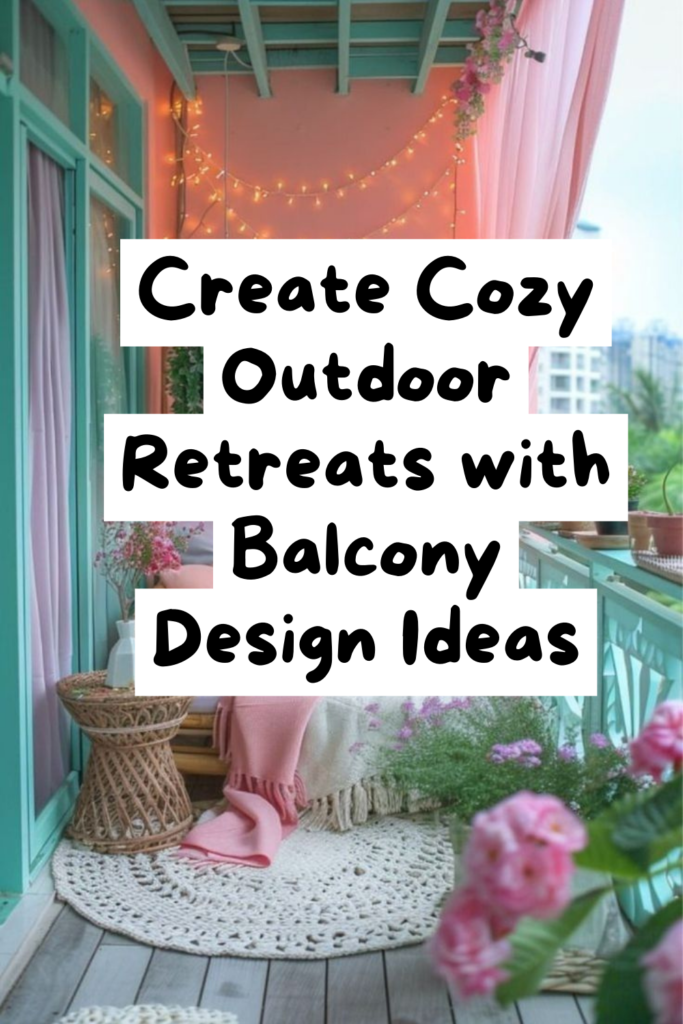
Above: Warm-white string lights strung along the railing or criss-crossed overhead. Leave the multicolored ones at the store.
Middle: Battery-powered sconces on the wall. Solar-charged lanterns sitting on a surface.
Ground level: LED candles sheltered in glass. Solar accent lights poking up from planters.
Stack those three layers and your balcony goes from forgettable to magnetic — the kind of space that pulls you outside after dark.
Cost? Honestly, less than most people spend on a single night out.
3. Choose One Idea. Act on It This Weekend.
You’ve just read a lot of information.
Right now, two possible reactions are happening in your head.
Excitement — you’re already planning what to do first.
Or paralysis — it all feels like too much.
If paralysis won, hear me out.
You absolutely do not need to execute everything at once.
Grab a single idea from this article. One.
Lay down the rug. Plug in the string lights. Pick up three plants matched to your actual sunlight.
This weekend, handle just that.
Next weekend, add something else.
Then something more.
In thirty days, you’ll step onto your balcony and wonder who redesigned it.
You’ll sit. Breathe. Look around. And the question won’t be “what should I do?”
It’ll be “why didn’t I start sooner?”
That feeling is right outside your door.
Go get it.
4. Lay Down a Rug (It Works Better Than You Think)
Your skepticism is noted.
“A rug? Outdoors? On a concrete balcony?”
Absolutely.
This is the simplest, most budget-friendly move that makes a balcony feel like an actual extension of your home. Not a leftover slab of building.
It adds color underfoot. Softness. Visual cohesion. It makes the entire space look deliberate.
Get one rated for outdoor use — polypropylene or recycled materials. It handles rain, sun, mold, and cleans with nothing more than a garden hose.
Go for a size that fits under your seating but lets a strip of floor peek out around the perimeter.
That exposed edge creates a visual frame. Makes the space feel larger.
Minimal effort. Minimal cost. Maximum effect.
5. Go Vertical — Exploit Every Inch of Wall Space
This is where most people leave potential on the table.
They think about floor space only. Two dimensions. Flat thinking.
But you have walls. You have railing. Both are completely empty.
That’s free real estate.
Vertical planters mounted to the wall. Shelving units that climb upward. Hanging baskets at different heights. Tiered plant stands that stack six pots in one footprint.
Railing-mounted boxes bring in greenery at zero floor cost.
Can’t drill because you rent? Over-the-rail hooks and tension rod shelves solve everything without damage.
The trick to a full-looking small balcony without any clutter?
Think vertically. Always.
6. Grab a Tape Measure (Before Anything Else)
Let me guess.
“I know my balcony is tiny. Measuring seems pointless.”
Right. That’s exactly what someone says before buying a table that devours the entire space.
Five minutes of measurement saves five rounds of frustration.
Length. Width. Railing height. Door swing path. Drainage positions.
Once you have the numbers, use painter’s tape to outline furniture dimensions on the floor.
You’ll immediately see what fits comfortably and what turns your balcony into an obstacle course.
Zero guesswork. Zero expensive mistakes.
It’s boring. It’s essential. Do it first.
7. Refresh With the Seasons (Without Starting From Scratch)
This is the burnout trap.
Your summer balcony looks fantastic. Fall arrives and the whole vibe feels off. You think the only answer is a total do-over.
So you do nothing. And the space sits abandoned until warm weather returns.
Break the pattern.
Establish a permanent foundation. Furniture, rug, main lighting — these stay put.
Rotate the smaller elements.
Summer: vivid cushion covers, blooming pots, cold beverages.
Fall: warm-toned textiles, seasonal plants, flickering candles.
Winter: pine branches, fairy lights, a thick blanket draped over the chair.
Accessories change. The bones of the space don’t.
Thirty minutes each season. Practically free. Constantly fresh.
8. Pick the Right Plants (And Finally Keep Them Alive)
Let’s confront the elephant on the balcony.
Dead plants. Crispy leaves. Soil that turned to dust months ago.
You feel like a plant murderer. You’ve accepted it as identity.
Stop. The problem was never you. It was the mismatch between plant and environment.
Scorching southern exposure? Succulents, lavender, rosemary, geraniums. They bask in intense heat.
Cool northern shade? Ferns, begonias, hostas, impatiens. They want exactly what you’ve got.
Constant high-rise wind? Go low and tough. Thyme, sedum, decorative grasses. They flex with the gusts.
Forgetful waterer? Self-watering planters keep things damp automatically.
Away a lot? Snake plants and pothos survive almost anything.
Three plants to start. Not ten. Not twenty. Three.
Nail those. Then scale up.
Gardens grow over months. Not over a single motivated weekend.
9. Know the Building Rules Before You Build Anything
Boring? Yes.
Necessary? Critically.
Apartment complexes often have detailed balcony regulations. What you can install. What attaches to walls. Whether grills or certain furniture types are permitted.
Read your lease agreement before making permanent changes.
Drilling might be banned. Rail modifications might be off-limits. Specific items might be restricted outright.
Discover these boundaries first. Create your design within them.
The alternative — spending a weekend on a setup that violates your building’s policy — is a frustration you never need to experience.
10. Tackle Privacy So You’ll Actually Use the Space
The elephant nobody talks about with apartment balconies.
Your neighbor is practically within arm’s reach. The building across the way offers a clear view of your entire outdoor routine.
Feeling watched makes relaxation impossible. So you retreat inside.
Address privacy and the whole equation changes.
Tall containers with bamboo or decorative grasses create organic screening. All-weather outdoor curtains give you control — closed for seclusion, open for breeze. Lattice mounted with jasmine or climbing ivy grows denser every month.
Reed or bamboo panels fastened to the railing with ties? Budget-friendly and immediate.
Total privacy isn’t the goal. Just enough buffer to unclench.
That thin line separates a balcony you love from a balcony you avoid.
11. Demand More From Your Furniture
On a compact balcony, freeloading furniture gets evicted.
Every piece needs to earn its keep.
Something that sits there looking pretty but doing nothing? Out.
You need pieces that work overtime.
A bistro set that folds completely flat. A storage bench that hides your outdoor gear underneath. A wall-mounted table that flips down for meals and tucks away after.
Stackable stools. Nested tables. A hanging seat that clears the floor entirely.
Brutal filter, but it works.
Can’t fold, stack, store, or serve two functions? Doesn’t make the cut.
Hard line? Yes.
Wasted space? Never.
12. Create Purposeful Zones (Yes, Even Here)
Go ahead and roll your eyes.
“Zones? On this tiny thing? Sure.”
Hold your judgment.
The smallest balcony in the world can have areas of intention.
One chair and a petite side table in a corner? Coffee nook.
A few planters clipped to the railing? Green zone.
A rug spread beneath the seating? The anchor point.
No dividers required. Just placement that means something.
When a space has defined purpose, you’re drawn to it. When it’s random clutter, you instinctively avoid it.
Human nature. Simple as that. Use it in your favor.