12+ Proven Ambient Bedroom Lighting Strategies Interior Designers Rely On
Disclosure : This post may contain affiliate links or paid partnerships. I may earn compensation if you click a link or make a purchase, at no additional cost to you. See my disclosure for more info.
Interior designers know something about bedroom lighting that most homeowners don’t.
It isn’t about fixtures. It isn’t about budget. It’s about understanding how light behaves in a space — and using that knowledge to create an environment that supports rest, comfort, and genuine relaxation.
The difference between a bedroom that photographs well and one that actually feels good to be in almost always comes down to lighting decisions — specifically, whether multiple warm light sources have been layered with intention.
This guide covers more than 12 specific techniques used by designers and hospitality professionals to create bedrooms that feel right, not just look right.
Each one is achievable without professional installation. Let’s start with the foundation.
Understanding the Role of Ambient Lighting in Bedroom Design
Lighting in interior design is typically categorized into three types: ambient (general fill light), task (targeted functional light), and accent (decorative or feature-highlighting light).
In a bedroom, ambient lighting is foundational. It establishes the overall emotional register of the space — whether the room feels alert and clinical, or calm and restorative.
Physiologically, warm low-intensity light in the evening supports the body’s natural wind-down process. Cool bright light suppresses that process — which is why the wrong lighting in a bedroom actively works against quality sleep.
The goal isn’t simply aesthetics. It’s creating a lighting environment that supports the primary function of the room: recovery. Every technique in this guide works toward that goal.
1. Layer Your Light Sources Across Multiple Heights
The cardinal rule of residential lighting design: never rely on a single source.
A solitary ceiling fixture produces what designers call flat lighting — even illumination that creates no shadow play, no depth, and no visual warmth. It’s effective in utilitarian spaces. It’s counterproductive in a bedroom.
The professional approach distributes light across three height zones: low (table lamps, floor fixtures near the ground), mid (sconces at seated eye level), and ambient fill from above on a dimmer.
In practical terms: a bedside lamp at table height, a wall sconce mounted at shoulder height, and a floor lamp to fill corners and low zones.
This distribution creates the layered warmth that makes a room feel considered rather than utilitarian.
2. Select Bulbs in the 2700K–3000K Color Temperature Range
Color temperature is the single most misunderstood variable in residential lighting purchasing decisions.
Measured in Kelvins, it describes the hue of emitted light along a spectrum from warm amber to cool blue-white. Designers specify 2700K–3000K for bedrooms without exception — this range corresponds to incandescent warmth and produces the most restful visual environment.
The 4000K–6500K range is appropriate for task-heavy environments: kitchens, home offices, bathrooms. It has no productive role in a sleep space.
Before any bulb purchase, verify the Kelvin rating on the packaging. It’s equally important as lumens and often ignored.
3. Install Dimmer Controls for Adjustable Light Intensity
A fixed-output light source is a limited tool. A dimmer-controlled light source is a flexible one.
By modulating intensity across a range — from full brightness for morning tasks to a fraction of output for evening relaxation — a dimmer switch converts any fixture into a contextually responsive element.
In design terms, this is how professionals achieve the right light for the right moment without installing multiple separate fixtures.
Hardwired dimmer switches are a standard electrical upgrade. Plug-in dimmer adapters are available for lamps with no installation required. In terms of return on a small investment, nothing in this list competes.
4. Apply LED Strip Lighting Behind the Headboard
This is a direct application of a professional hospitality lighting technique: indirect illumination through concealed sources.
A strip of warm-toned LED lights adhered to the rear face of a headboard produces a diffused glow that bounces off the wall behind it. The fixture itself is invisible; its light output is not.
The effect is a soft backlit halo around the headboard — a feature associated with premium hotel rooms and high-end residential design that costs almost nothing to replicate.
Self-adhesive LED strip kits are plug-powered and require no hardwiring. Installation time: approximately 10–15 minutes.
5. Use a Himalayan Salt Lamp as a Low-Level Accent Source
From a technical standpoint, the appeal of a Himalayan salt lamp is its naturally very low color temperature — well below the standard 2700K warm-white range.
It functions as an ultra-low accent source: gentle enough to leave on while reading, warm enough to contribute meaningfully to the room’s ambient quality.
On a nightstand, it serves as the low layer in a multi-source lighting scheme — a subtle but effective contributor to the overall warmth of the environment.
6. Choose Diffusing Lampshade Materials Over Opaque or Translucent Ones
The shade on a lamp controls how the bulb’s light output is distributed into the room.
White or very pale translucent shades transmit light with minimal scattering — producing a directed beam that can feel harsh even from a warm-temperature bulb.
Shades made of linen, natural burlap, or similarly textured fabric diffuse light in all directions, wrapping the surrounding area in a softer, more evenly distributed glow.
This is a low-cost upgrade with a disproportionate effect on perceived warmth. The bulb doesn’t change; the light quality does.
7. Apply Recessed Lighting in a Restrained, Directional Configuration
The design failure most commonly associated with recessed lighting is overuse: too many fixtures, spaced uniformly, aimed directly downward at full brightness.
Done correctly, the approach is almost the inverse: two or three warm-temperature cans on a dimmer, positioned to graze a textured wall with angled light rather than flood a floor with overhead illumination.
This produces subtle gradients of light and shadow that add architectural interest and genuine warmth.
For renovations, plan this intentionally. For existing spaces, retrofit recessed LED kits are designed for straightforward installation without full ceiling work.
8. Illuminate Shelving Units With Battery-Operated Puck Lights
Open shelves and recessed niches represent an often-overlooked opportunity for accent lighting.
Battery-operated puck lights placed at the rear of a shelf and angled upward create a backlit effect that elevates displayed objects and transforms functional storage into a lit feature.
The technique requires no wiring, no structural work, and no professional involvement. It is one of the easiest implementations on this list — and among the most visually effective per unit of effort.
9. Deploy String Lights Along Structural Lines for Architectural Integration
String lights succeed when they reference and reinforce the geometry of the room rather than being draped across open surfaces without a clear framework.
Run them along a ceiling perimeter behind molding. Thread them through sheer curtains to diffuse the point sources into a soft wash of light. Attach them to a simple ledge that gives the installation a defined edge.
In every case: warm white only, minimum-gauge wire, and clear intentionality in the placement.
The distinction between string lights that look considered and those that don’t is almost entirely a question of structure.
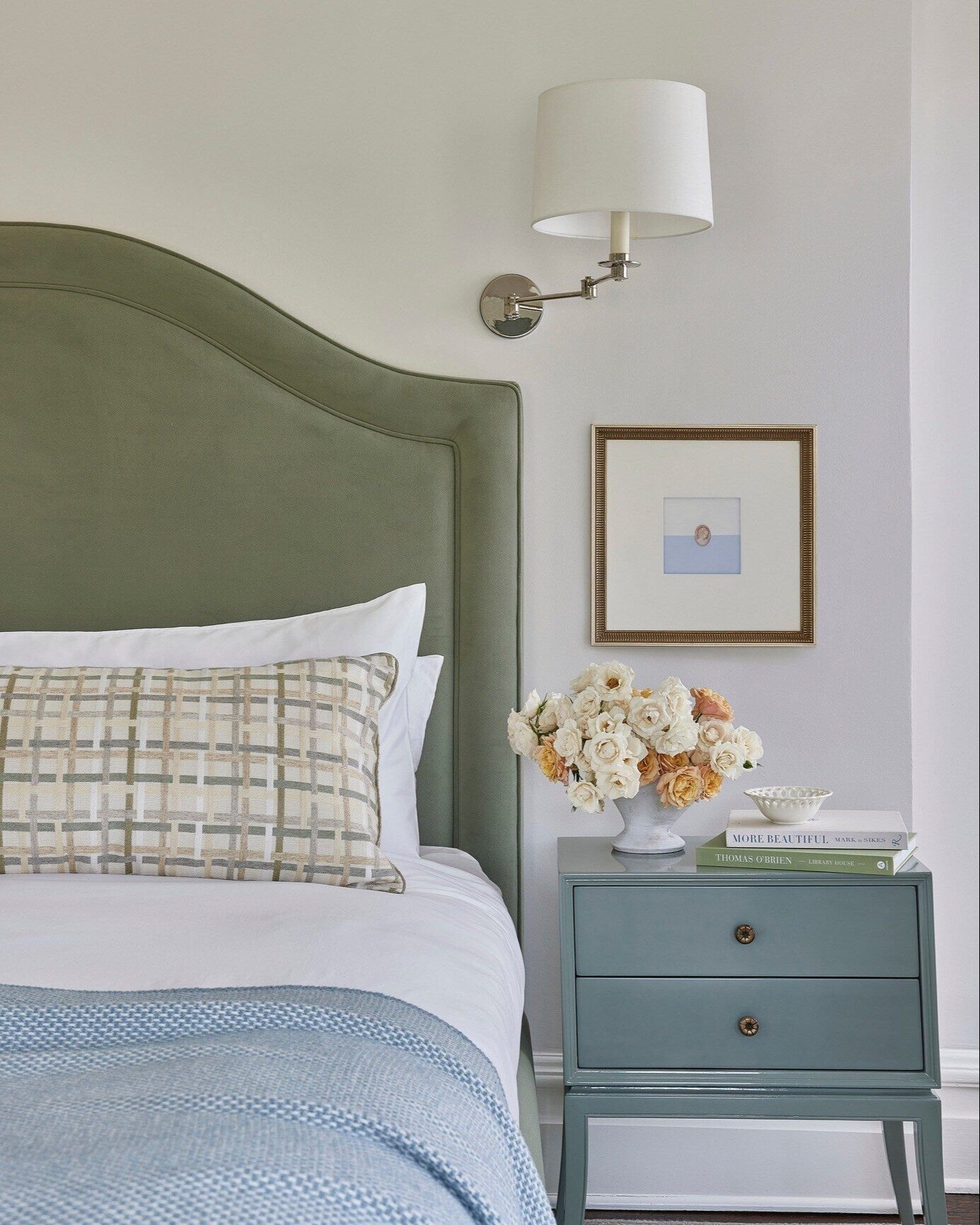
10. Mount Swing-Arm Sconces on Either Side of the Bed
Wall-mounted sconces with an adjustable arm are a standard recommendation in residential bedroom design for a straightforward reason: they perform two distinct functions efficiently.
Extended and directed, they provide targeted reading illumination. Retracted and dimmed, they contribute a warm ambient glow without taking up surface space.
Replacing bedside table lamps with sconces is an immediate gain in both function and visual clarity. Plug-in options are available for installations where hardwiring is not practical.
11. Anchor an Empty Corner With a Floor Lamp
Unlit corners in a bedroom create visual voids that make the space feel incomplete and less expansive than it actually is.
A floor lamp with a fabric shade resolves this efficiently: it occupies the space, adds upward-casting warmth, and contributes a layer to the room’s overall lighting composition.
The pairing of an arched floor lamp with a reading chair beneath it creates a defined vignette — a sub-space within the room that feels purposefully composed.
12. Arrange Candles as a Structured Low-Level Light Source
Candles occupy a unique position in bedroom lighting: they produce an exceptionally low, warm light output that no artificial source fully replicates in quality.
For maximum visual effect, group them in odd numbers — typically three or five — on a tray or plate at varying heights. This compositional approach transforms individual candles into a cohesive lighting element.
For those who prefer not to use open flame, flameless LED candles now replicate both the flicker pattern and color temperature with considerable accuracy.
13. Use Mirror Placement to Amplify and Redistribute Light
Mirrors are passive lighting tools that require no power source and produce no heat. Positioned correctly, they multiply the effective output of every light source in the room.
A mirror placed opposite or at an angle to a primary light source reflects and redistributes that light into areas the source cannot directly reach.
A large leaning mirror, a round mirror on a wall, and a mirrored tray on a surface all contribute to this effect while simultaneously functioning as decor.
14. Layer Window Treatments to Manage Natural Light Quality
Natural light management is a component of ambient lighting design that is frequently undervalued in bedroom applications.
The layered approach — sheer curtains closest to the glass for daytime diffusion, blackout curtains on the outer track for overnight light control — gives the room functional access to both ends of the spectrum.
During daylight hours, the sheer layer filters incoming sunlight into the most flattering, naturally diffused ambient glow available. Two curtain tracks. Full control over natural light at every hour.
The Planning Error That Reverses Your Progress
One consistent mistake undermines otherwise well-intentioned bedroom lighting improvements.
It isn’t a bad product choice or a technical installation error. It’s implementing too many changes simultaneously without a sequential plan.
Introducing five or six new light sources in a single session overwhelms the room rather than warming it. The result is visual clutter — too many competing intensities, angles, and color temperatures.
The more productive method: introduce one or two elements, live with them through a normal week, observe how they interact with the room’s existing character, then add the next layer deliberately.
Ambient lighting is cumulative. It rewards patience and sequential decision-making.
Your Space Is Ready for This Upgrade
Approximately one third of your life takes place in your bedroom. The quality of that environment matters in ways that extend beyond aesthetics.
None of the techniques covered in this guide require a licensed contractor, a significant financial outlay, or any specialized knowledge. They require only the decision to start.
Select one. Apply it. Evaluate the result. Then return and continue.
The room you’re working toward is closer than it seems. Often, the distance between where it is now and where it could be is measured in single evenings of focused effort.
Begin tonight.