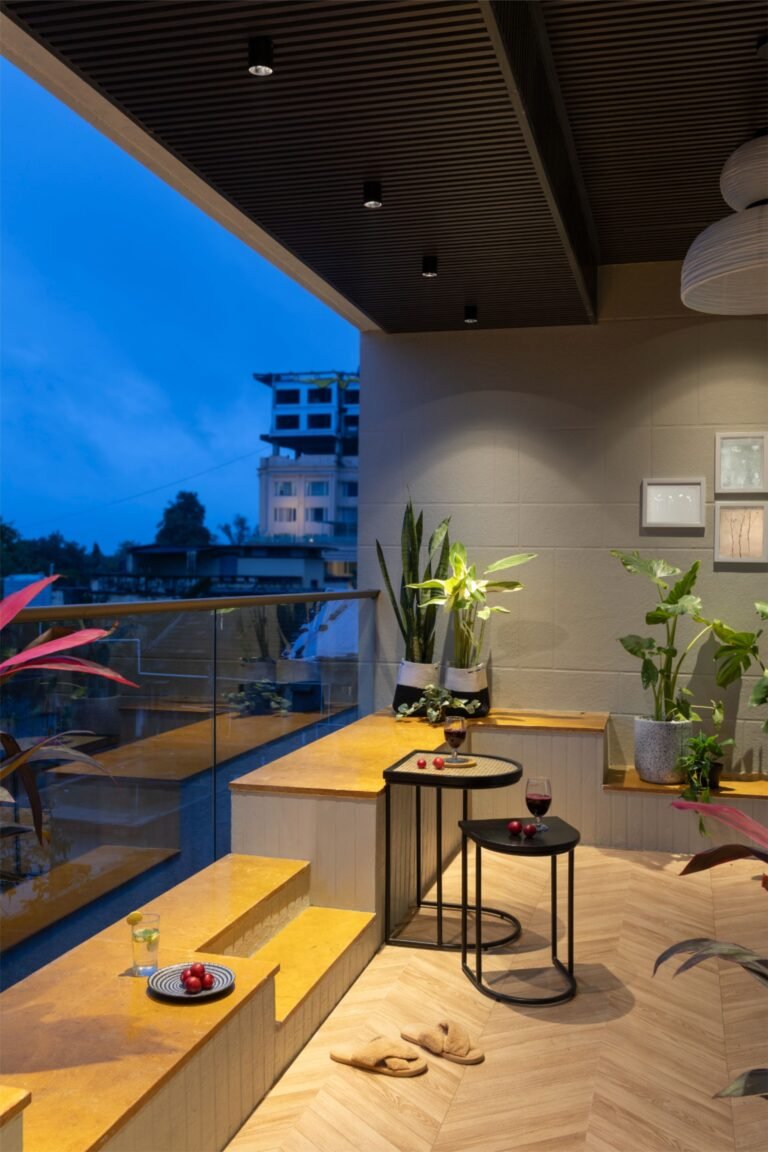
Gazebo Guide: How to Build an Outdoor Oasis You’ll Actually Use
Disclosure : This post may contain affiliate links or paid partnerships. I may earn compensation if you click a link or make a purchase, at no additional cost to you. See my disclosure for more info.
Can I be brutally honest?
You already know your backyard could be better.
You’ve known for a long time.
But between the overwhelm, the cost concerns, and the sheer “where do I even start” paralysis — you’ve done exactly nothing.
And every weekend that passes?
You sit inside. Again. Watching the yard through the window like it’s somebody else’s property.
That needs to stop today.
Because here’s the secret nobody wants to admit: creating a beautiful outdoor space doesn’t require a huge budget. It doesn’t require talent. It doesn’t require a landscaping degree.
It requires a gazebo. The right setup. And a few smart moves.
That’s it.
The tips below are the real deal. Tested. Practical. Ready for you to use this weekend.
No theory. No filler. Just what works.
Why Empty Backyards Feel So Depressing (And Why a Gazebo Is the Fix)
Simple question.
Why does an unfurnished apartment feel uncomfortable?
Because there’s nowhere to sit. Nothing to look at. No invitation to stay.
Your backyard has the same problem.
There’s no structure. No destination. No reason for your brain to say, “Let’s hang out here.”
A gazebo creates that missing piece.
It becomes the anchor point. The living room of your garden. The place everything else revolves around.
But people make a common mistake.
They buy one. Drop it down. Expect fireworks.
Nothing happens.
Because the gazebo is the frame. You still need the painting.
Here’s how to paint it.
1. Furnish It With Purpose (Stop Leaving It Empty)
Let’s start with the most neglected step.
People buy a gorgeous gazebo. And then put one sad plastic chair underneath it.
That’s not an oasis. That’s a bus stop.
Treat your gazebo like an actual room.
Comfortable seating first. Outdoor sofa or deep-cushion chairs. Furniture that makes you want to sink in and stay put. If you’re shifting around after ten minutes, it’s wrong.
A table. Small is perfect. Coffee table, side table — doesn’t matter. You need somewhere to put a drink without performing a balancing act.
Texture and warmth. Outdoor pillows. A lightweight blanket for chilly evenings. An outdoor rug on the floor to define the space and tie it together.
Individually, these cost very little.
Together, they turn a bare structure into a place you actually want to spend time in.
2. Build a Real Floor Underneath It
Picture the scene.
Everything’s perfect. Lights strung. Cushions arranged. You’re proud.
Then it rains for two days.
When you come back, your feet sink into squishy grass. The chair tilts. Water pools around the legs.
Fantasy over.
A proper floor prevents all this nonsense.
Pea gravel is the easiest option. Weed fabric underneath, a few inches of gravel on top. Drains instantly. Looks clean. That crunch sound underfoot? Oddly satisfying.
Pavers or flagstone deliver a more permanent, polished feel. More work. More payoff.
Composite decking is top-tier. Warm. Smooth. Almost zero maintenance for years.
But whatever you pick — and this is non-negotiable — level the ground first.
Unlevel ground means crooked furniture, puddles, and constant irritation.
Ten minutes with a level now saves months of annoyance later.
3. Secure It to the Ground (Seriously)
This isn’t glamorous advice.
It might save you from a disaster.
Wind has no respect for beautiful things. One strong gust and your unsecured canopy gazebo becomes a projectile. It smashes fences. It dents cars. It hurts people.
This happens constantly. Every storm season.
For soft-top gazebos: heavy-duty stakes and sandbag weights on every leg. The ones in the box are useless in real wind. Get proper ones. Add rope anchors if your area is windy.
For hardtop or wooden gazebos: bolt them directly into a concrete slab, poured footings, or your deck. No exceptions. No “I’ll do it later.”
Do it once. Do it properly.
Then relax without worrying.
4. Pick the Right Gazebo for the Space You Actually Have
This is where the daydreaming gets dangerous.
You see a grand wooden gazebo on someone’s enormous estate and decide that’s your destiny.
You order it.
It arrives.
And your modest yard disappears under it. There’s no room for anything else. It feels less like an oasis and more like a warehouse.
Rule number one: match the structure to the space, not to the fantasy.
Tight yard? An 8-foot pop-up or lightweight metal pergola creates elegance without eating everything up.
Average yard? A 10-to-12-foot hardtop gives you space for real furniture. Room to breathe.
Big yard? Stretch out. A pavilion-style or octagonal gazebo creates zones and drama.
And here’s the detail most people miss entirely.
Your gazebo should echo your home’s architecture.
Modern house with clean lines? Don’t put a rustic timber gazebo next to it. Farmhouse? Skip the industrial aluminum.
When the two structures feel related, your whole property gains cohesion.
5. Create Privacy That Doesn’t Feel Like a Prison
Nothing kills relaxation faster than feeling watched.
You sit. You try to breathe. Then you notice your neighbor grilling while staring directly into your gazebo.
Your brain shifts from rest mode to alert mode. Instantly.
So build some boundaries.
Curtains. Outdoor-rated fabric panels on the gazebo posts. Pull closed for privacy. Tie open for breeze. Takes minutes to install and transforms the vibe immediately.
Living screens. A trellis on one or two sides with jasmine, clematis, or wisteria climbing up. Within one season, you’ve got a fragrant green wall that grows more beautiful with time.
Potted barriers. Bamboo or tall grasses in large planters. Flexible. Rearrangeable. Effective.
But respect this rule every time.
Don’t seal every side.
Leave at least two sides open. You want airflow. You want the garden view. You want shelter, not isolation.
6. Weatherproof Your Setup (Or Watch It Deteriorate)
This is the boring-but-essential tip.
Nobody puts this on Pinterest.
But skipping it means restarting from scratch every couple of years.
Cushions get moldy fast if they aren’t protected. Water-resistant covers or quick-dry foam inserts solve this. When storms approach, drop them in a deck box. Two minutes. No drama.
Wooden gazebos need sealant or stain every season or two. Half a day of work. Adds years. Worth every second.
Metal gazebos develop rust, especially at joints. Check every spring. Spray rust-resistant paint on problem spots before they grow.
Fabric curtains and canopies should be removed during winter or extended bad weather. Clean, fold, store dry.
This isn’t exciting maintenance.
It’s the price of keeping something you love.
7. Layer Light for Evening Magic
The single fastest way to transform any outdoor space?
Lighting. Done in three deliberate layers.
Not a blinding porch light that makes everything feel exposed.
Ambient — the mood base. String lights along the gazebo rafters or ceiling. Warm white bulbs. This wraps the space in a gentle glow that sets the entire tone.
Task — the functional layer. A battery lantern or clip-on lamp on the table. So you can actually see what you’re doing after dark.
Accent — the wow factor. Solar-powered stake lights circling the gazebo base. Or LED strips running along the lower frame. This makes the whole structure softly radiate at ground level when night arrives.
Three layers.
That’s the difference between “alright” and “I never want to go inside.”
Almost all these options run on solar now. No wiring. No electrician visits. Just the sun.
8. Place It Where You’ll Actually Want to Be
Seems simple.
Almost everyone gets it wrong.
They center the gazebo on the lawn like a statue. Then never sit in it because it’s in full sun, too far from the kitchen, or facing the neighbor’s recycling bins.
Before you set anything up, do one thing.
Spend an afternoon in your yard. Watch carefully.
Where does shade fall mid-afternoon? That’s where your gazebo should go. No shade, no comfort in summer.
How far from the back door? If fetching a glass of water feels like a journey, you’ll eventually stop going. Keep it accessible.
What’s the view from inside? If it’s an ugly fence or the side of a shed, adjust the angle. Or plan to screen it.
This single afternoon of observation prevents permanent regret.
Trust the process. Be patient with the placement.
9. Stimulate Every Sense (Not Just Your Eyes)
Most outdoor spaces are designed for Instagram, not for living.
They look nice in photos. But sitting in them? Nothing special.
A real oasis speaks to all your senses.
Sound. A small water fountain near the gazebo generates a calming trickle. Blocks out city noise. Dogs. Lawnmowers. Your nervous system responds immediately.
Deep-toned wind chimes add another layer. Avoid the shrill metallic kind — those create stress, not calm.
Smell. Herbs planted nearby become natural scent diffusers. Rosemary. Mint. Lavender. Every passing breeze becomes a gift.
Citronella candles double as mosquito deterrents.
Touch. Vary your surfaces intentionally. Smooth timber. Soft cushion fabric. Cool flagstone. Textured wicker. Sensory variety signals comfort and intention.
When your gazebo engages all five senses, it stops being furniture.
It becomes an experience.
10. Use Plants to Merge the Gazebo Into Your Landscape
A gazebo on empty grass looks dropped from the sky.
Disconnected. Awkward. Temporary.
Plants erase that feeling entirely.
They stitch the structure into the surrounding garden until it looks like it’s always been there.
At the base: groundcover, low herbs, small flowers. Lavender is perfect — it blurs the hard lines and fills the air with scent.
Around the sides: medium-height ornamental grasses or shrubs. These create a natural frame. The gazebo looks rooted rather than placed.
Inside the gazebo: potted ferns. Hanging ivy. A herb planter on the table. Life on every level.
Layer your heights. Short in front, medium in the middle, tall behind.
This trick creates depth and makes even small gardens feel surprisingly spacious.
Go generous with the green.
More plants always equals more oasis. No exceptions.
So What Now?
You’ve got everything.
Ten tips. Zero fluff. All actionable.
The only variable left is you.
Don’t try to do it all at once. That’s a recipe for overwhelm and abandoned projects.
Pick one thing.
One.
Hang lights this evening. Move the gazebo to a better spot this Saturday. Lay down gravel next weekend. Plant lavender the week after.
Small moves. Consistent moves.
And one evening — maybe one you don’t see coming — you’ll step outside, sit down, and look around at something you built with your own hands.
That feeling is worth every bit of effort.
Not because it’s perfect.
Because it’s yours.
Your backyard is done waiting.
Stop planning.
Start doing.